Yong Jae Lee
Published: April 14, 2026 · Reviewed: April 2026 · 9 min read
Researched and written by Yong Jae Lee · Content follows Australian Dietary Guidelines
How to pack nutritionally complete vegetarian and vegan school lunches — with protein-rich recipes, essential nutrient advice, and practical tips for Australian families.
Plant-Based Eating in Australian Schools
Plenty of Australian families eat little or no meat. In Roy Morgan's 2019 release (2018 data), 12.1% of Australians said their diet was all or almost all vegetarian. Whether your family is fully vegetarian, vegan, flexitarian, or simply trying to eat less meat, school lunches present unique challenges.
The main concern parents have is ensuring their child gets enough protein, iron, calcium, zinc, and vitamin B12 — nutrients that are easily obtained from animal products but require more planning on a plant-based diet. This guide addresses each of these concerns with practical, Australian-specific advice.
Nutritional Foundations: What Plant-Based Kids Need
Protein
Children need protein for growth, immune function, and energy. The recommended daily intake varies by age:
| Age | Daily Protein (grams) | Lunchbox Target (~30%) |
|---|---|---|
| 4-8 years | 20g | 6-7g |
| 9-13 years | 40g | 12-13g |
| 14-18 years | 55-65g | 17-20g |
Top Plant-Based Protein Sources for Lunchboxes
| Food | Protein per Serve |
|---|---|
| Tofu (100g) | 12g |
| Lentils, cooked (1/2 cup) | 9g |
| Chickpeas, cooked (1/2 cup) | 7g |
| Edamame (1/2 cup) | 9g |
| Peanut butter (2 tbsp)† | 7g |
| Quinoa, cooked (1/2 cup) | 4g |
| Soy milk (250ml) | 8g |
| Wholegrain bread (2 slices) | 6g |
| Hummus (2 tbsp) | 2g |
| Greek yoghurt (150g) — vegetarian | 10g |
† Check school nut policy before packing nut butters.
The key principle is protein combining — eating a variety of plant proteins throughout the day ensures all essential amino acids are covered. You do not need to combine them in a single meal; across the day is sufficient.
Iron: The Most Important Nutrient to Watch
Iron deficiency is the most common nutritional concern for plant-based children. Plant iron (non-haem iron) is less easily absorbed than animal iron (haem iron), so vegetarian children need about 1.8 times more iron than their meat-eating peers.
Iron-Rich Lunchbox Foods
- Legumes — lentils, chickpeas, kidney beans
- Tofu and tempeh
- Fortified cereals — Weet-Bix, some mueslis
- Dark leafy greens — spinach, kale (in wraps, smoothies, or baked into muffins)
- Dried apricots and figs
- Pumpkin seeds (pepitas)
Boosting Iron Absorption
Vitamin C dramatically increases non-haem iron absorption. Always pair iron-rich foods with vitamin C sources:
- Lentil soup + capsicum strips
- Chickpea salad + cherry tomatoes and lemon dressing
- Spinach wrap + mandarin for dessert
- Tofu stir-fry + broccoli
Avoid pairing iron-rich foods with calcium (dairy) or tea/coffee (in older teenagers) at the same meal, as these inhibit absorption.
Calcium Without Dairy (For Vegan Families)
Growing children need calcium for bone development. If your child is vegan, focus on these sources:
| Food | Calcium per Serve |
|---|---|
| Calcium-fortified soy milk (250ml) | 300mg |
| Calcium-set tofu (100g) | 350mg |
| Kale, cooked (1 cup) | 180mg |
| Tinned chickpeas (1/2 cup) | 50mg |
| Tahini (1 tbsp) | 65mg |
| Bok choy, cooked (1 cup) | 160mg |
| Calcium-fortified orange juice (250ml) | 300mg |
| Broccoli, cooked (1 cup) | 60mg |
Target: Children aged 4-8 need 700mg/day; aged 9-13 need 1,000mg/day; aged 14-18 need 1,300mg/day.
Tip: Choose calcium-fortified plant milks that contain at least 300mg calcium per 250ml. In Australia, Bonsoy, Vitasoy, and Woolworths Macro soy milks are reliably fortified.
Vitamin B12: The Non-Negotiable Supplement
Vitamin B12 is found almost exclusively in animal products. For vegan children, supplementation is essential, not optional. Options include:
- B12 supplement (sublingual drops or chewable tablets — consult your GP or paediatrician for dosage)
- Fortified nutritional yeast (savoury, cheesy flavour — great sprinkled on pasta or popcorn)
- Fortified plant milks (check labels — not all are fortified with B12)
- Fortified cereals (Sanitarium Up&Go, some Weet-Bix varieties)
If your child is lacto-ovo vegetarian (eats dairy and eggs), B12 is generally covered through these animal products. But it is worth checking with your doctor.
20 Vegetarian Lunchbox Ideas
Sandwiches & Wraps
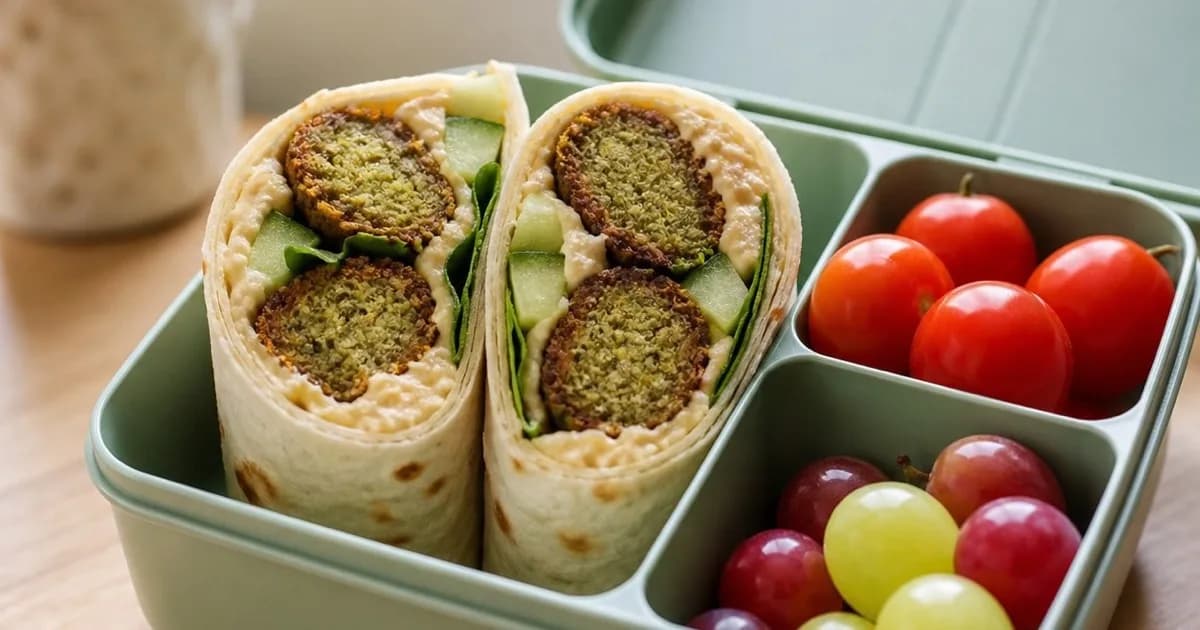
1. Hummus, grated carrot, and cucumber wrap — protein from chickpeas, crunch from veggies 2. Egg and lettuce sandwich — classic, simple, protein-rich 3. Cheese and Vegemite scroll — roll Vegemite and grated cheese in puff pastry, bake 4. Falafel wrap — homemade or store-bought (Woolworths stocks good options), with salad and tahini 5. Cream cheese and roasted capsicum sandwich — sweet, creamy, and satisfying
Main-Style Items
6. Fried rice — use leftover rice, frozen peas, corn, egg (or tofu for vegan), and soy sauce. Pack in a thermos. 7. Pasta with pesto and cherry tomatoes — basil pesto (or dairy-free pesto for vegan) with wholegrain pasta 8. Lentil soup in a thermos — red lentils cook quickly and are naturally creamy 9. Sushi rolls — rice, avocado, cucumber, and carrot. Add tofu or tempeh for protein. 10. Bean and cheese quesadilla — fill a tortilla with tinned beans and cheese, pan-fry, slice into wedges
Protein-Packed Snacks
11. Edamame — steamed, lightly salted, in the pod 12. Roasted chickpeas — toss tinned chickpeas with olive oil, paprika, and salt. Bake at 200°C for 25 minutes. 13. Tofu bites — marinate firm tofu in soy sauce and sesame oil, pan-fry until golden 14. Boiled eggs (vegetarian) — cook 6 on Sunday, use across the week 15. Bean dip with veggie sticks — blend tinned white beans with garlic, lemon, and olive oil
Sweet & Fruity
16. Banana and oat muffins — naturally sweetened, no egg needed (use flax egg for vegan) 17. Yoghurt and berry parfait — layer soy yoghurt (vegan) or Greek yoghurt (vegetarian) with seasonal berries 18. Energy balls — oats, dates, sunflower seed butter, and cacao powder 19. Fruit and seed trail mix — dried cranberries, sunflower seeds, pumpkin seeds, and coconut flakes 20. Chia pudding — mix chia seeds with plant milk and a drizzle of maple syrup; refrigerate overnight. Top with fruit before packing.
Vegan Lunchbox Essentials at Woolworths and Coles
Both major Australian supermarkets have expanded their plant-based ranges significantly. Here are reliable products:
Woolworths
- Woolworths Macro Organic Tofu — firm, versatile, affordable
- Bonsoy Soy Milk — calcium-fortified, great flavour
- Woolworths Free From range — dairy-free cheese, yoghurt alternatives
- Sanitarium So Good — plant-based yoghurt and milk alternatives
- Falafel — in the deli section, ready to eat
Coles
- Coles Nature's Kitchen — plant-based sausages, burgers, nuggets (good for lunchbox variety)
- Vitasoy — soy milk, oat milk, almond milk (check calcium fortification)
- Coles I'm Free From — dairy-free, gluten-free range
- Inside Out — plant-based yoghurt (mango and mixed berry flavours are popular with kids)
Australian Plant-Based Brands Worth Knowing
Australia has a thriving plant-based food industry with several homegrown brands that are particularly useful for school lunchboxes:
v2food
Founded in Australia by CSIRO scientists, v2food produces plant-based mince, burgers, and sausages using Australian-grown ingredients. Their mince makes an excellent bolognese sauce for lunchbox pasta — cook a batch on Sunday and portion throughout the week. Available at Woolworths and Coles.
Fable Food Co
An Australian brand that uses shiitake mushrooms as its base ingredient, creating a unique meaty texture without soy or gluten. Their pulled "pork" and braised "beef" products work well in lunchbox wraps and sandwiches. Available at selected Woolworths stores and independent grocers.
Nutty Bruce
An Australian-made range of plant milks (almond, oat, coconut) that are activated and minimally processed. Their barista oat milk is popular for thermos hot chocolates in winter lunchboxes. Available at Woolworths, Coles, and independent stores.
Wattle Valley
An Australian company producing premium dips and spreads, including several vegan options (hummus, beetroot dip, roasted capsicum dip). Their single-serve dip pots are lunchbox-friendly and available at both major supermarkets.
Made With Plants (Woolworths exclusive)
Woolworths' own premium plant-based range includes nuggets, sausages, mince, and burger patties. The nuggets are particularly popular with children who are transitioning to plant-based eating — they closely mimic the taste and texture of traditional chicken nuggets. Priced competitively at around $6-8 per pack.
Alternative Dairy Co
An Australian brand producing barista-quality oat and soy milks, available at both major supermarkets. Their products are reliably calcium-fortified, making them a solid choice for vegan children who need consistent calcium intake.
Tips for Finding Plant-Based Products
- Check the "Free From" or "Health Foods" aisle at both Woolworths and Coles — this is where many plant-based products are shelved
- The refrigerated section near deli meats often stocks plant-based alternatives like tofu, tempeh, and meat-free slices
- Woolworths online and Coles online both allow filtering by "Plant Based" or "Vegan", making it easy to discover new products
- Asian grocery stores (particularly in major cities) stock affordable tofu, tempeh, edamame, and plant-based sauces at significantly lower prices than supermarkets
Dealing with Social Situations
Plant-based kids may face questions, curiosity, or even teasing from classmates. Here is how to help:
Prepare Your Child
- Practise simple, confident answers: "I don't eat meat because my family cares about animals" or "I eat different foods and I like them"
- Frame their diet positively — not as restriction but as a choice
- Let them know it is okay if friends eat differently
Communicate with the School
- Inform the class teacher about your child's dietary requirements
- Provide a list of acceptable foods for birthday celebrations and school events
- Offer to send alternative treats for occasions when non-vegan food is provided
- Ask about the school canteen's vegetarian/vegan options
Birthday Parties and Events
- Send a plant-based cupcake or treat with your child so they are not left out
- Offer to help organise inclusive class celebrations
- Many bakeries now offer vegan cakes and cupcakes — check local options
Meal Prep: A Vegetarian Sunday Cook-Up
Spend 90 minutes on Sunday preparing these items for the entire week:
Cook:
- 1 batch of lentil soup (freeze half)
- 6 boiled eggs (vegetarian)
- 1 tray of roasted chickpeas
- 1 batch of savoury muffins (12 — freeze 6)
Prep:
- Cut vegetable sticks (carrot, cucumber, capsicum)
- Make hummus or bean dip
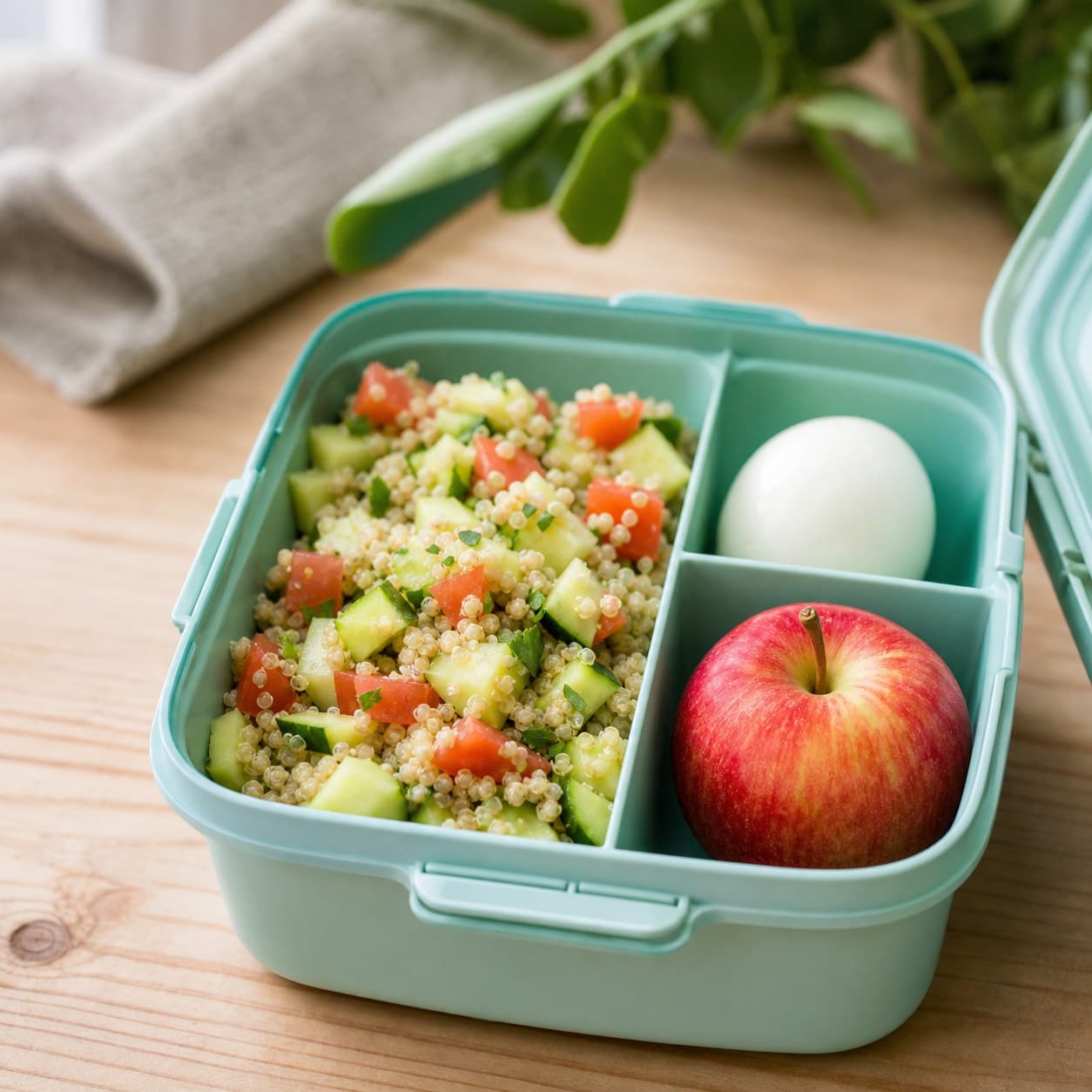
- Cook a pot of rice or quinoa
- Wash and portion fruit
Assemble (each morning):
- Grab one main + one snack from the prepped items
- Add fresh fruit + water bottle
- Done in 3 minutes
Nutritional Safety Net
Even with careful planning, it can be difficult to meet all nutritional needs on a vegan diet for growing children. Consider:
- Annual blood tests — check iron, B12, vitamin D, and zinc levels with your GP
- Supplementation — B12 is essential for vegans; iron and vitamin D may also be needed
- Consult an Accredited Practising Dietitian — especially for vegan children under 5. Find one at Dietitians Australia
- Follow the NHMRC guidelines — the Australian Dietary Guidelines include advice for vegetarian eating patterns
References
- NHMRC Australian Dietary Guidelines
- Dietitians Australia — Vegetarian Diets
- Nutrition Australia — Vegetarian Eating
Ready to plan plant-based lunchboxes? Try the Aussie Lunchbox Planner →
Related reading: Iron, calcium and protein in the lunchbox · Multicultural lunchbox recipes
References & Sources
About this article
This article was researched and written by Yong Jae Lee, a parent based in Auckland, New Zealand, who runs Aussie Lunchbox and its sister site Kiwi Lunchbox as a solo project. I am not a dietitian or a health professional, so nothing here is medical advice. Where an article rests on desk research rather than something I have cooked or used myself, it says so, and nutrition writing is aligned with Australia's healthy eating guidelines. If you spot an error or have a suggestion, please contact us.