Yong Jae Lee
Published: May 10, 2026 · Reviewed: May 2026 · 4 min read
Researched and written by Yong Jae Lee · Content follows Australian Dietary Guidelines
The NHMRC Australian Dietary Guidelines and state Healthy Canteen frameworks separate school foods into Green, Amber, and Red tiers. Most parents have never read the full guidelines — here is what they actually mean for a Monday-morning lunchbox in plain English.
The first time I sat down with the NHMRC Australian Dietary Guidelines (2013) and the NSW Healthy School Canteen Strategy, I had a printout in one hand and my kid's half-finished Up&Go in the other. Dozens of pages. And then — somewhere in the middle — the actual rule a parent needs: state healthy canteen frameworks generally limit added sugar to under 15g per serve. That is the kind of number I can use at the supermarket.
This guide is the version of those documents I wish someone had handed me on day one. It pulls out the rules that decide what goes in an Australian school lunchbox.
What These Guidelines Actually Are
Two layered documents most Australian schools work from:
1. NHMRC Australian Dietary Guidelines (2013) — foundational national-level dietary advice, including the <em>Australian Guide to Healthy Eating</em> plate. 2. State Healthy Canteen frameworks — NSW Healthy School Canteen Strategy, Queensland Smart Choices, Victorian Healthy Choices, WA Healthy Options, SA Right Bite, Tasmania Move Well Eat Well, ACT Public School Food and Drink Policy, NT Healthy Eating Guidelines.
Neither is legally binding on home-packed lunches. Both inform what schools serve, and most schools quietly use the same framework when talking to parents.
The Traffic Light System: Green, Amber, Red
🟢 Green — eat plenty
Lunchbox-relevant Green items:
- Whole or cut fresh fruit
- Vegetables raw or lightly cooked
- Wholegrain bread, wraps, rolls — at least 50% wholegrain by weight
- Unsweetened plain milk
- Plain water
- Plain unsweetened yoghurt
- Lean meat, fish, eggs, legumes
- Cheese (cheddar, edam, tasty)
- Plain unsalted nuts or seeds — with the caveat that many Australian schools are nut-free
🟡 Amber — sometimes
- Flavoured yoghurts within sugar limits
- Wholegrain crackers and rice cakes with low salt
- Reduced-salt processed meats (occasional)
- Muesli bars within sugar limits (typically <15g added sugar per serve)
- Plain popcorn (no butter, no sugar coating)
- 100% fruit juice in small amounts (≤200ml)
1–2 Amber items per day without contradicting the framework.
🔴 Red — limit and avoid
Foods state frameworks recommend schools do not sell or provide:
- Lollies, chocolate bars, sweets
- Sweet biscuits, doughnuts, slice
- Chips, corn chips with added flavouring
- Sugary drinks (cola, energy drinks, sports drinks)
- Processed pastries (sausage rolls, party pies) daily
- Hot chips, deep-fried foods
- Sweetened flavoured milks above the threshold
The Numerical Thresholds That Actually Matter
1. Added sugar: under 15g per serve
Look at the nutrition information panel "Sugars" per serve. Under 15g → Amber. Over → Red.
2. Saturated fat: under 3g per serve (snacks)
Catches fried, pastry-based, highly-processed items.
3. Sodium (salt): under 400mg per 100g (most categories)
Many "healthy-looking" wholegrain crackers exceed 600mg/100g. Bread is usually fine (~450mg/100g). Processed meats are nearly always above 1000mg/100g.
Drinks
- Green: plain water, plain milk
- Amber: 100% fruit juice ≤200ml, unsweetened plant-based milk
- Red: any added sugar — flavoured milk above threshold, cola, sports drinks, energy drinks
The only beverages that should regularly appear in an Australian school lunchbox are water and plain milk.
How This Maps to a Monday Lunchbox
Green-led example
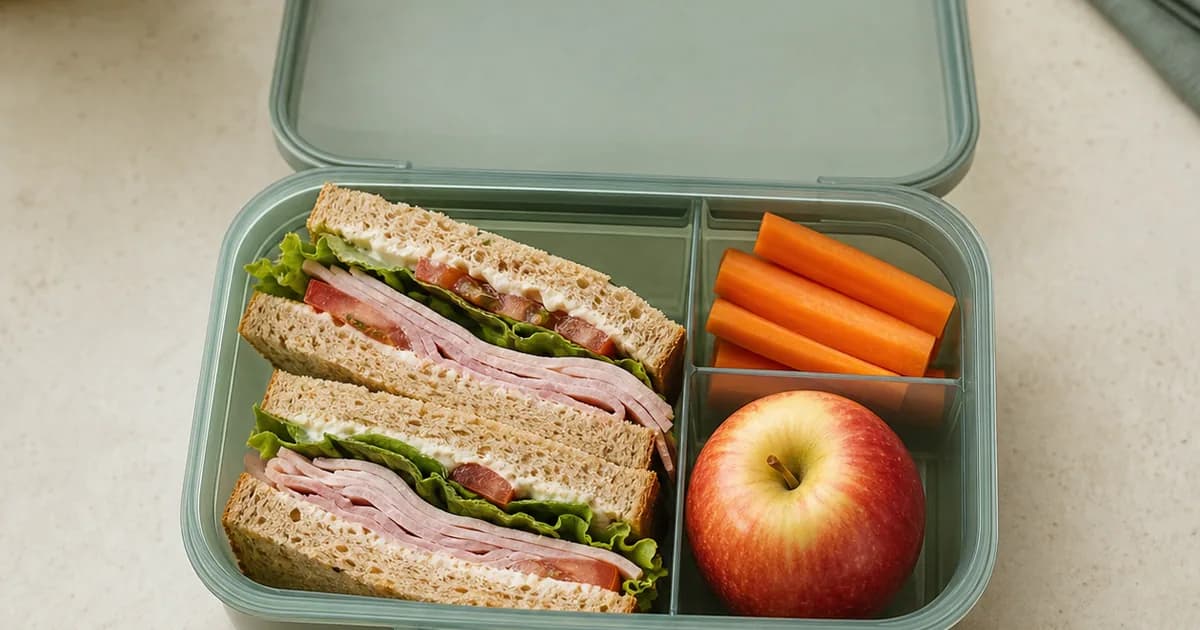
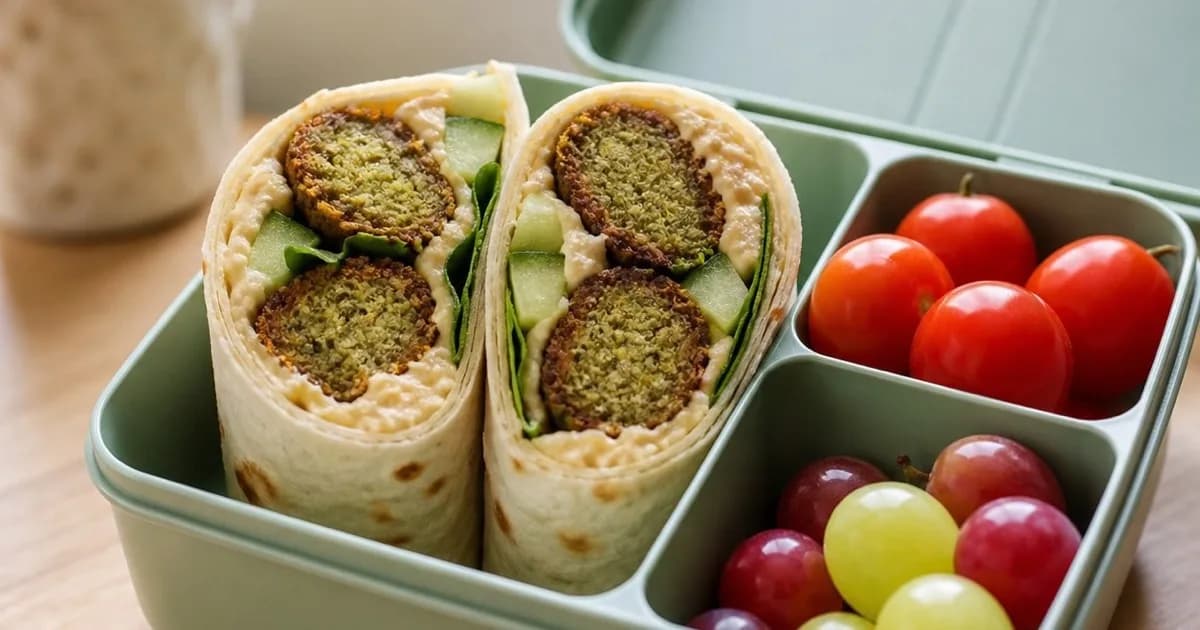
- Main: Wholegrain wrap with chicken, lettuce, cucumber, hummus
- Fruit: 1 apple + 1 mandarin
- Vegetable: Carrot sticks
- Snack: Plain unsweetened Greek yoghurt with berries
- Drink: Water bottle + small plain milk
Realistic Green/Amber blend (most Australian families)
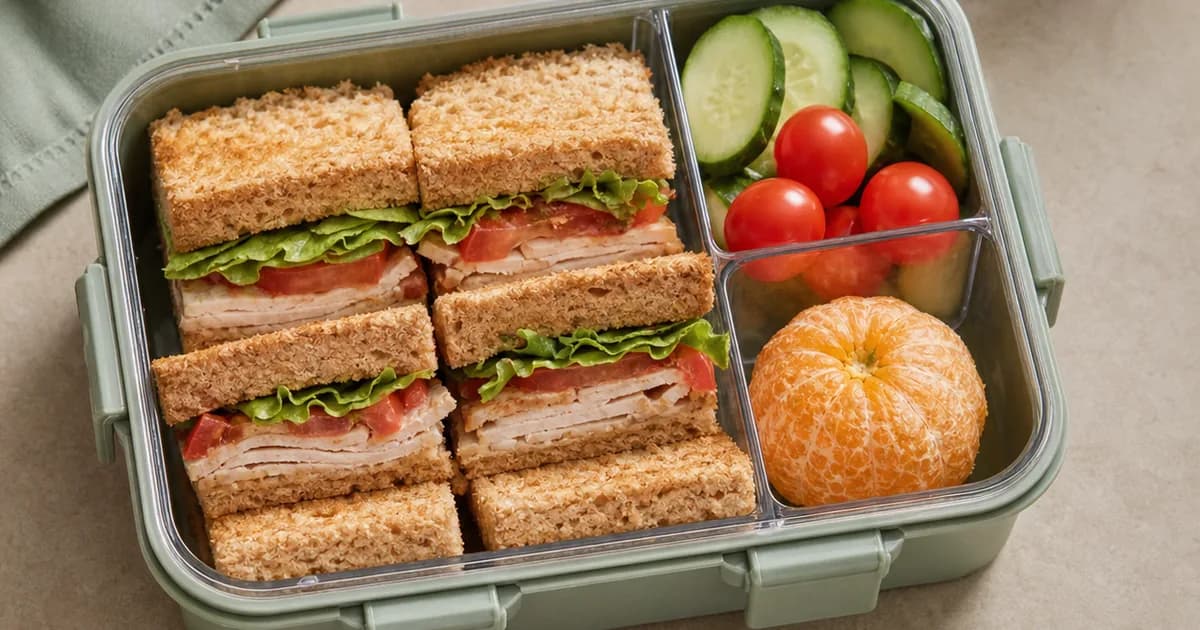
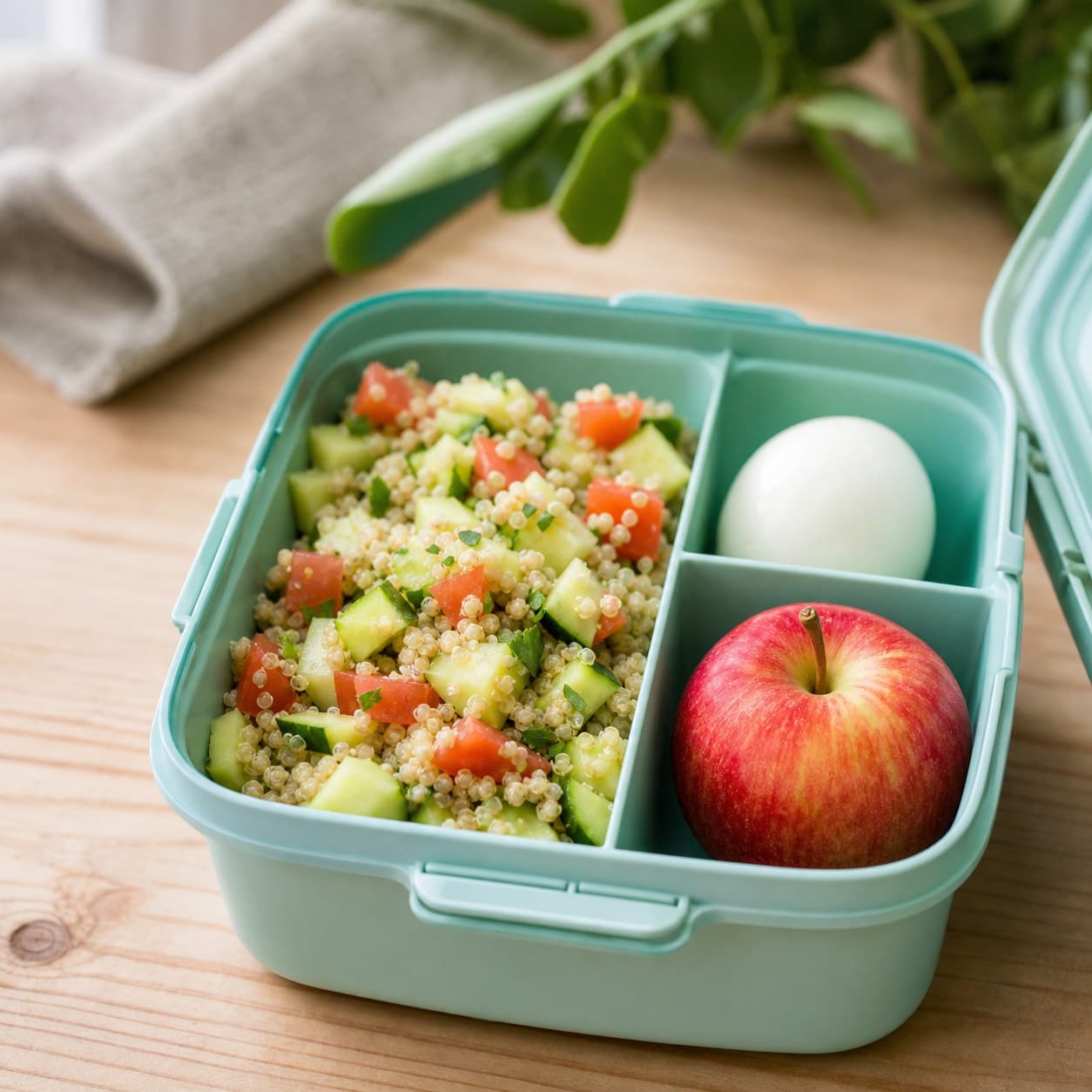
- Main: Wholegrain bread sandwich with cheese, cucumber, lettuce
- Fruit: 1 banana
- Vegetable: Cherry tomatoes
- Snack: 1 muesli bar (under 15g sugar) + cheese cubes
- Drink: Water bottle
80% Green, 20% Amber, 0% Red.
Common Misunderstandings
"Full-fat milk is bad for kids"
No. NHMRC recommends full-fat dairy for children under 2, and either full-fat or reduced-fat for children over 2.
"Carbs are bad"
The guidelines actively recommend wholegrain carbohydrates as a Green-tier staple.
"All snacks should be removed"
No. Children need eating opportunities throughout the day.
A Three-Step Weekly Audit
Once a week:
1. Count the Green servings — main + fruit + vegetable + drink most days. 2. Count the Amber items — one per day fine; two is the upper limit. 3. Count the Red items — zero most days; one or two per week for genuine treats.
References
- National Health and Medical Research Council (NHMRC): Australian Dietary Guidelines, 2013 — eatforhealth.gov.au
- NHMRC: Australian Guide to Healthy Eating
- NSW Health: Healthy School Canteen Strategy
- Queensland Health: Smart Choices
- Victorian Department of Health: Healthy Choices
- Heart Foundation Australia: Healthy eating for children.
This article is informational. Not personalised medical or dietary advice. For specific concerns, consult your GP or an Accredited Practising Dietitian (APD).
Plan Lunches That Align With the Australian Framework
The Aussie Lunchbox Planner generates weekly menus that lean Green by default.
Related reading: The complete nutrition guide · Lunchbox portions by year level
References & Sources
About this article
This article was researched and written by Yong Jae Lee, a parent based in Auckland, New Zealand, who runs Aussie Lunchbox and its sister site Kiwi Lunchbox as a solo project. I am not a dietitian or a health professional, so nothing here is medical advice. Where an article rests on desk research rather than something I have cooked or used myself, it says so, and nutrition writing is aligned with Australia's healthy eating guidelines. If you spot an error or have a suggestion, please contact us.