Yong Jae Lee
Published: March 5, 2026 · Reviewed: April 2026 · 9 min read
Researched and written by Yong Jae Lee · Content follows Australian Dietary Guidelines
A parent's guide to navigating school food policies across Australia — from nut-free rules and canteen guidelines to nude food days and sustainability initiatives.
Why Schools Have Lunchbox Policies
Australian schools are responsible for the wellbeing of children during school hours, and food is a significant part of that responsibility. Lunchbox policies exist to:
- Protect children with allergies — particularly those at risk of anaphylaxis
- Promote healthy eating — aligned with the National Healthy School Canteen Guidelines
- Reduce waste — through nude food and sustainability initiatives
- Manage behaviour — high-sugar foods can affect concentration and classroom behaviour
- Ensure food safety — preventing foodborne illness in the school environment
Understanding your school's policy is not just about compliance — it helps you pack a lunchbox that works within the school's framework while still being nutritious and appealing to your child.
Common Lunchbox Policies Across Australia
Nut-Free and Nut-Aware Policies
This is the most widespread food policy in Australian schools. The exact rules vary:
Strict Nut-Free:
- No peanut butter, Nutella, or any nut-based spread
- No products containing nuts in the ingredients list
- No "may contain traces of nuts" products (some schools)
- No nut milks (almond milk, cashew milk)
Nut-Aware:
- Requests (rather than mandates) that families avoid sending nut products
- Education about the risks of sharing food
- Individual management plans for allergic children
What to Pack Instead
- Sunflower seed butter or WowButter as a spread
- Seed-based muesli bars (check labels carefully)
- Vegemite, cream cheese, or jam as sandwich fillings
- Soy milk or oat milk instead of nut milks
Healthy Food Policies
Many Australian schools follow guidelines based on the National Healthy School Canteen Guidelines, which categorise foods using a traffic light system:
| Category | Description | Examples |
|---|---|---|
| Green — Fill the Menu | Nutritious foods for everyday | Fruit, vegetables, wholegrain sandwiches, water |
| Amber — Select Carefully | Some nutritional value but also some less healthy attributes | Fruit juice, flavoured yoghurt, white bread |
| Red — Occasional | Low nutritional value, high in fat/sugar/salt | Chips, lollies, chocolate, soft drinks |
How This Affects Your Lunchbox
Some schools actively discourage or ban "red" category foods. This may mean:
- No chocolate bars, lollies, or chips
- No soft drinks, energy drinks, or cordial
- No cakes or sweet biscuits (some schools)
- Fruit juice limited to occasionally
Even if your school does not have an explicit healthy food policy, packing a "green" lunchbox ensures your child has the energy and focus for learning.
Tips for Navigating Healthy Food Rules
- Check your school's specific policy — it is usually on the school website or in the parent handbook
- Ask at orientation — many schools cover lunchbox expectations during kindy or new family orientation
- Reframe the conversation with your child — instead of "you're not allowed," try "at school we eat foods that help our brains work well"
- Allow occasional treats — if the school permits, a small treat on Friday can be something to look forward to
Nude Food Days and Waste-Free Lunchboxes
What Is Nude Food?
"Nude food" means food without packaging — no wrappers, no cling film, no foil, no single-use plastics. Many Australian schools run regular nude food days or have adopted waste-free lunchbox policies entirely.
The aim is to teach children about sustainability and reduce the amount of waste generated at school. Some schools even have competitions between classes for the least waste.
How to Go Wrapper-Free
Containers and Tools:
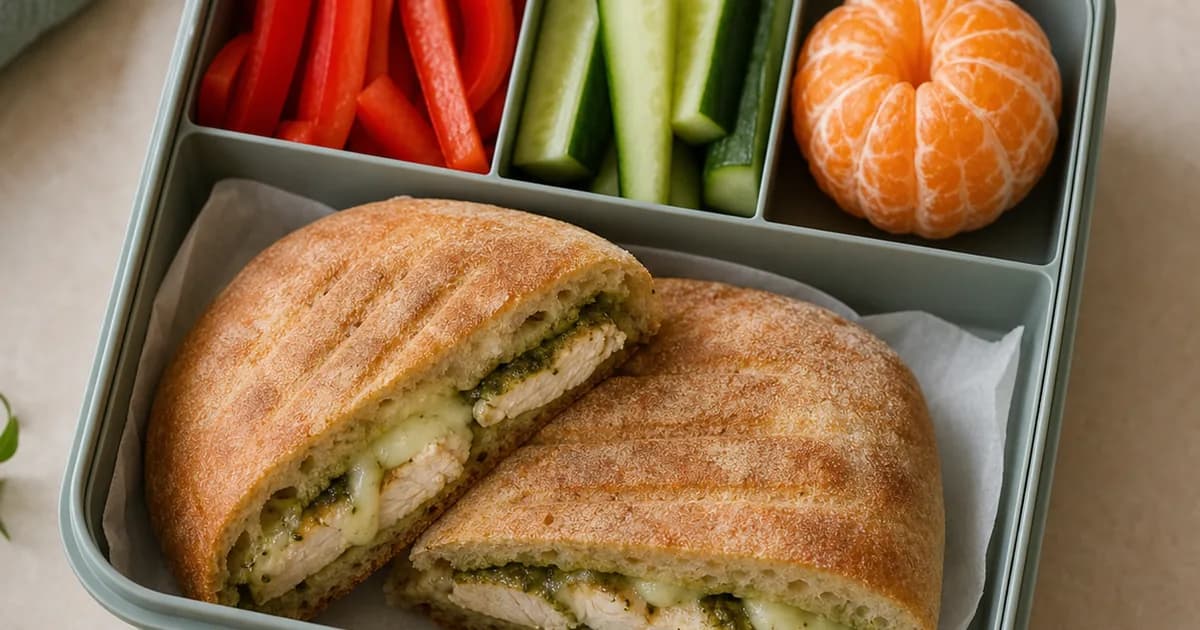
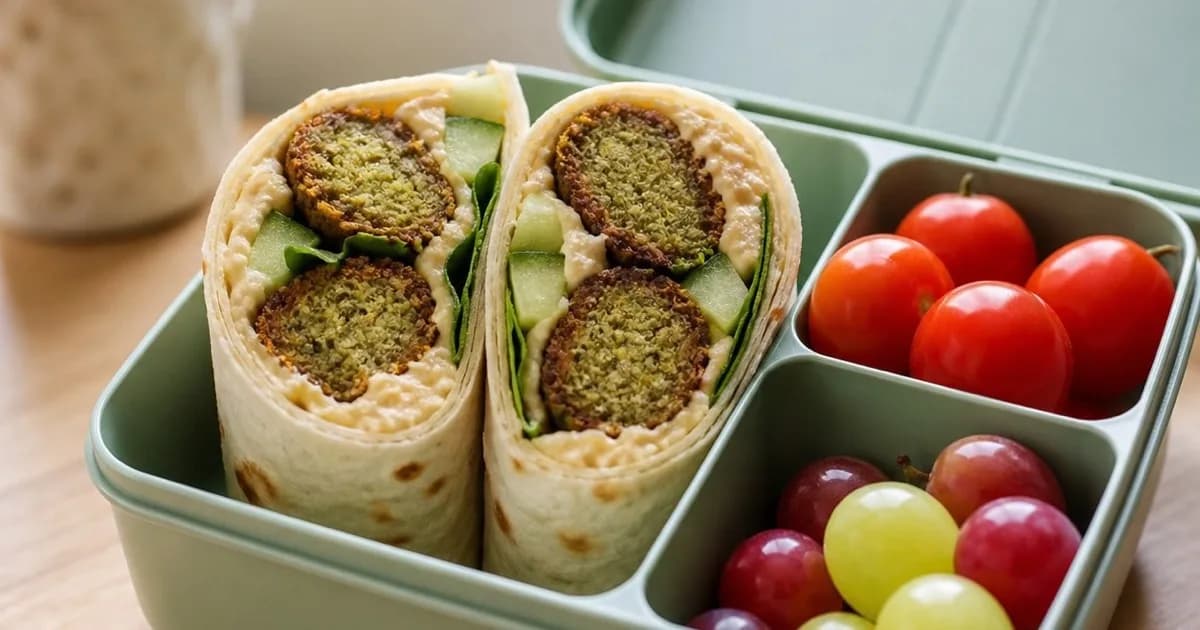
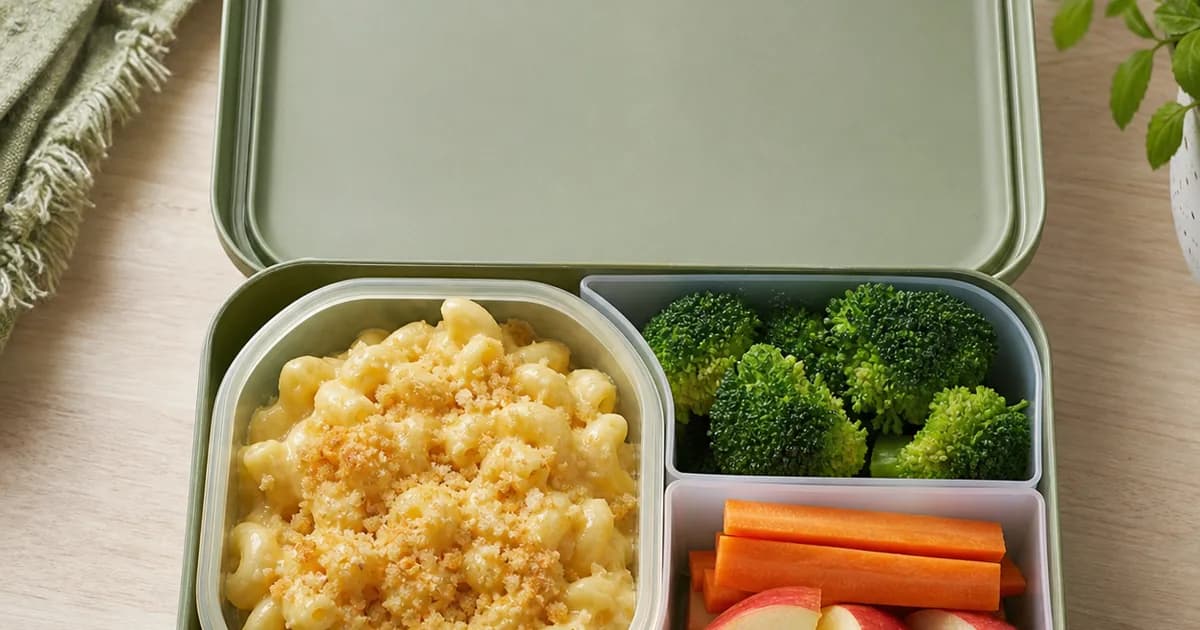
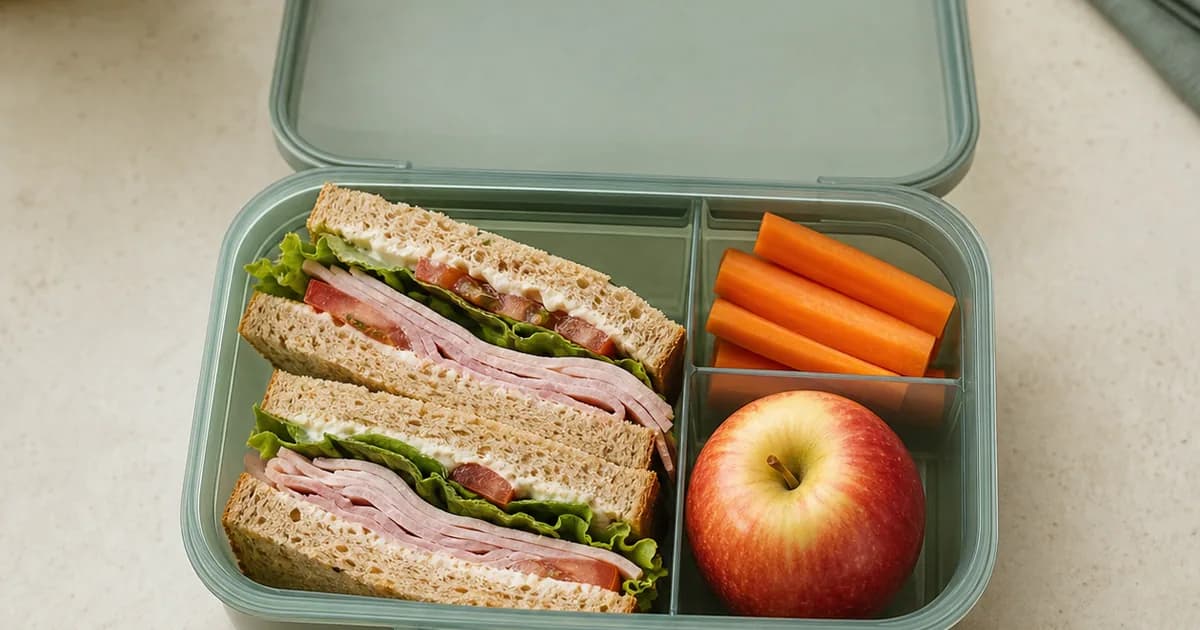
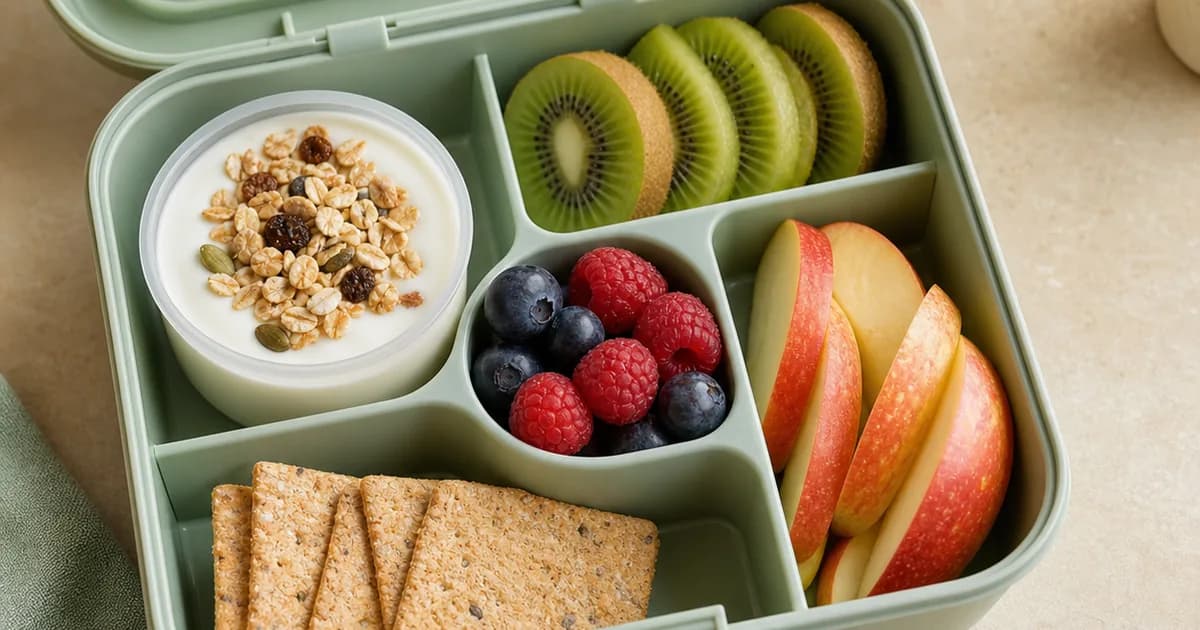
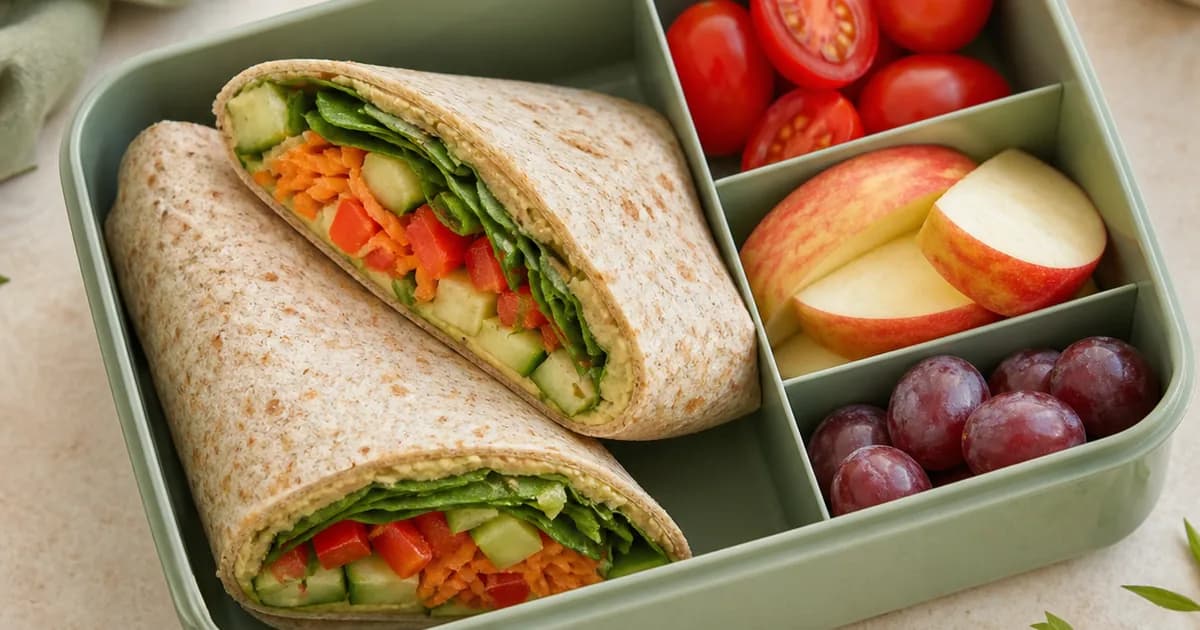
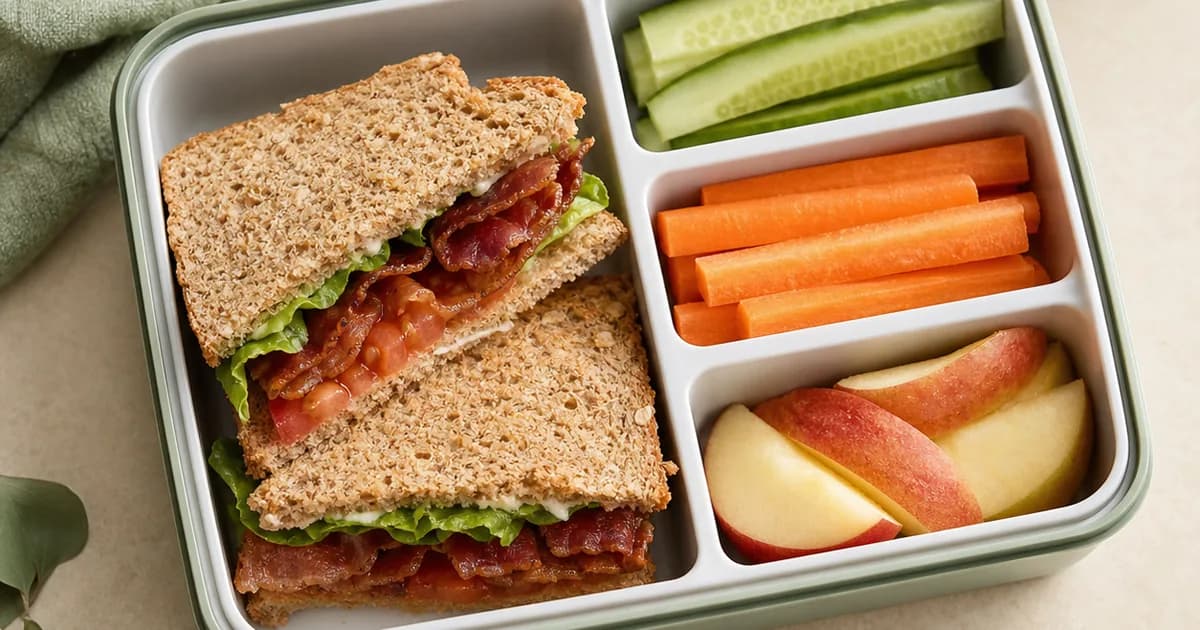
- Bento-style lunchboxes (e.g. Yumbox, PlanetBox, Sistema) — multiple compartments mean no need for individual packaging
- Reusable silicone bags (e.g. Stasher bags) — for sandwiches, snacks, and cut fruit
- Beeswax wraps — a reusable alternative to cling film
- Reusable water bottles — stainless steel or BPA-free plastic
- Cloth napkins — replace paper napkins
Food Strategies:
- Buy in bulk and portion into reusable containers at home
- Bake your own muffins, biscuits, and slices instead of buying individually wrapped ones
- Pack whole fruit instead of pre-packaged fruit cups
- Use a thermos for yoghurt instead of individual tubs
Dealing with the Transition
If your family is used to packaged snacks, the shift to nude food can feel overwhelming. Start small:
- Replace one packaged item per week with an unpackaged alternative
- Get your child involved — let them choose their reusable containers
- Treat it as a family project, not a burden
Cultural Food Considerations
Australian schools are increasingly diverse, and lunchbox policies should (and usually do) accommodate cultural food practices. If your family's food traditions differ from the "standard" Australian lunchbox:
- Your child's food is welcome — rice, dumplings, chapati, sushi, and other cultural foods are perfectly appropriate for school
- Talk to your child's teacher if you are concerned about teasing or exclusion
- Some schools celebrate cultural diversity through food-sharing events or multicultural days
- Religious dietary requirements (halal, kosher, vegetarian) are protected under anti-discrimination law
If your child feels self-conscious about their lunchbox, remind them that sharing different foods and traditions is one of the great things about Australian schools.
Canteen Policies and Online Ordering
Most primary schools and many high schools have canteens, increasingly with online ordering systems:
Common Online Systems
- Qkr! (by Mastercard) — used by many NSW and VIC schools
- Flexischools — popular across multiple states
- Munch Monitor — growing in popularity
Tips for Using School Canteens
- Set a weekly budget for canteen orders
- Review the menu with your child and guide them towards healthier options
- Use canteen days as a treat (e.g. once a week) rather than a daily habit — home-packed lunches are almost always healthier and cheaper
- Check if the canteen follows the Healthy School Canteen Guidelines
State-by-State Detailed Policies
Food policies vary by state and even by individual school. Here is a comprehensive overview of each state's framework:
New South Wales
Policy name: NSW Healthy School Canteen Strategy
- Uses a traffic-light classification system (Green, Amber, Red) for all food and drinks sold at school
- Green items should make up at least 75% of the canteen menu
- Red items (confectionery, deep-fried foods, soft drinks) should not be sold more than twice per term for special events
- The NSW Department of Education provides a free Canteen Menu Planning Tool that helps canteen managers classify items — parents can access this same tool online
- Most NSW schools participate in Crunch&Sip (a structured mid-morning fruit and vegetable break)
- Nut policies vary by school but the vast majority of NSW primary schools are nut-aware at minimum, with many enforcing strict nut-free rules
- The Live Life Well @ School program supports physical activity and healthy eating education across NSW public schools
Victoria
Policy name: School Canteens and Other School Food Services Policy
- Aligns with the NHMRC Australian Dietary Guidelines rather than using a colour-coded system
- Schools must demonstrate that canteen menus reflect the five food groups
- The policy covers not just canteens but also food at school events, fundraisers, and classroom activities
- Nutrition Australia Vic Division offers free professional menu assessments for school canteens
- Allergy management is governed by Ministerial Order 706, one of the most prescriptive frameworks in Australia — it mandates staff anaphylaxis training, individual management plans for at-risk students, and specific EpiPen storage requirements
- VicHealth's Achievement Program provides schools with a framework for implementing healthy food policies
- The Healthy Eating Advisory Service (HEAS) provides free support to Victorian schools reviewing their food policies
Queensland
Policy name: Smart Choices — Healthy Food and Drink Supply Strategy
- Uses a three-tier colour system (Green: Have Plenty, Amber: Select Carefully, Red: Limit) similar to NSW but with distinct criteria
- Red items should not be available more than four times per year, and only for principal-approved special events
- Particular emphasis on hydration due to tropical and subtropical climate — water must be the primary drink option
- Schools are expected to ensure students have access to clean drinking water throughout the day
- QLD's heat creates additional food safety considerations for both canteens and packed lunches — the Smart Choices strategy acknowledges this explicitly
- Many QLD schools run Tuckshop (canteen) volunteer programs with specific training requirements under the strategy
South Australia
Policy name: Right Bite — Healthy Food and Drink Supply Strategy
- One of the most structured state approaches to school food policy
- Categorises food and drinks as Green (Fill the Menu), Amber (Select Carefully), or Red (Occasional)
- Applies to all food and drinks supplied or sold at school, including canteens, vending machines, fundraisers, and class events
- SA schools receive support from Wellbeing SA for implementing the strategy
- Unique to SA: the strategy explicitly addresses portion sizes appropriate for primary vs secondary school students
Western Australia
Policy name: Healthy Food and Drink in Public Schools Policy
- One of the strictest canteen policies in Australia
- At least 60% of menu items must be classified as green (healthy choices)
- Deep-fried foods are completely prohibited — not just limited or classified as occasional
- Sugar-sweetened drinks including fruit juice with added sugar are banned
- Energy drinks are prohibited for all students regardless of age
- Unique pricing equity requirement: healthy options should not cost significantly more than amber items, ensuring healthy eating is accessible regardless of family income
- The Department of Education WA provides approved product lists specifying brand-name products that meet each classification
Tasmania
- Follows the Move Well Eat Well program promoting healthy eating and physical activity in primary schools
- Schools achieving Move Well Eat Well accreditation have demonstrated strong food policies and healthy canteen menus
- Smaller school communities often have more personalised approaches to food policy
Northern Territory
- Follows national guidelines with adaptations for remote and Indigenous communities
- The NT School Nutrition Program supports schools in remote areas where access to fresh food is limited
- Heat and distance from supply chains create unique food safety challenges
ACT
- The Fresh Tastes program supports ACT schools in developing healthy food and drink policies
- ACT schools are encouraged to align canteen menus with the Australian Dietary Guidelines
- As a small jurisdiction, policy implementation is relatively consistent across schools
What to Do If You Disagree with a Policy
If you believe a school policy is unreasonable or unclear:
1. Read the full policy — it is usually available on the school website or from the front office 2. Talk to your child's teacher — they can clarify expectations 3. Raise concerns with the principal — calmly explain your perspective 4. Join the school P&C — this is where policies are often discussed and shaped 5. Propose alternatives — rather than just objecting, suggest practical solutions
Remember that policies exist to protect all children. Even if a rule inconveniences your family, it may be essential for a child with a life-threatening allergy.
Want help packing a lunchbox that meets your school's policy? Try the Aussie Lunchbox Planner →
Related reading: School canteen guidelines by state · Allergy management for lunchboxes
About this article
This article was researched and written by Yong Jae Lee, a parent based in Auckland, New Zealand, who runs Aussie Lunchbox and its sister site Kiwi Lunchbox as a solo project. I am not a dietitian or a health professional, so nothing here is medical advice. Where an article rests on desk research rather than something I have cooked or used myself, it says so, and nutrition writing is aligned with Australia's healthy eating guidelines. If you spot an error or have a suggestion, please contact us.